




How to use shadowing to get over the embarrassment of speaking English?
How to use shadowing to get over the embarrassment of speaking English?
How to use shadowing to get over the embarrassment of speaking English?
Written by: Luan Cavallaro, Founder & CMO, BeConfident
Key takeaways from this article
Shadowing is repeating English audio in real time, mimicking pronunciation, rhythm, and intonation to build muscle memory without pressure.
The technique reduces speaking embarrassment through solo practice, building natural confidence before real conversations.
Practicing 10 minutes a day with short audio from podcasts or TED Talks allows you to progress from pausing to real-time and recording.
Avoiding pitfalls like shadowing too fast or ignoring comprehension helps maintain consistency and gradual progress.
Combining shadowing with BeConfident's AI tutors helps you evolve into fluent conversations, start your free trial.
What is the shadowing technique?
The shadowing technique, or shadow repetition, is the practice of repeating English audio immediately after hearing it, mimicking the speaker's pronunciation, rhythm, and intonation. Unlike simple repetition, shadowing requires you to keep up with the audio in real time, like a sound shadow.
This practice automates speech patterns and reduces the room for thinking about mistakes, which decreases the anxiety that causes stuttering or freezing. When you practice shadowing regularly, your mouth and brain build muscle memory for English sounds and rhythms. This creates natural confidence to speak without feeling embarrassed.
Why shadowing is suitable for overcoming embarrassed English speaking
The embarrassment of speaking English often stems from the fear of making mistakes and being judged. The shadowing technique reduces this pressure because you practice alone, focusing on mimicking native sounds without worrying about perfect grammar or advanced vocabulary.
The benefits of shadowing include improved pronunciation, clearer diction, more natural fluency, and sharper listening skills. Just 10 minutes of daily practice can yield noticeable progress in a few weeks, especially for professionals who need to speak English in negotiations or for travelers who want to communicate with more confidence abroad.
This technique builds muscular confidence that reduces the fear of speaking, because your mouth already knows the movements required to produce native sounds. When the moment of actual conversation arrives, you don't need to consciously think about every word. Speech starts flowing more naturally.
Ideal materials for shadowing in 2026
To practice shadowing effectively, it is important to choose content with clear audio and a duration of between 1 and 3 minutes. A podcast like BBC 6 Minute English offers short episodes with standard British pronunciation, which is suitable for those starting out with shadowing.
Short TED Talks, YouTube videos with native speakers talking naturally, and even educational TikToks also work well. The key point is to select material slightly above your current level but still understandable. Avoid content with multiple speakers or too much background noise, as this makes precise imitation difficult.
Once you have selected the right material, you can follow a structured routine to turn this listening into active speaking practice.
Step-by-step: how to use shadowing for fluency without feeling embarrassed
Follow this structured method to maximize the benefits of shadowing. These seven steps create a natural progression from passive listening to real-time imitation, helping you develop pronunciation and rhythm before aiming for native speed.
1. Choose short audio (1-2 minutes)
Select content with clear speech and moderate speed. An educational podcast or a YouTube video with a single speaker usually works well.
2. Listen passively first
Play the audio once just listening, without trying to repeat. Focus on noticing the overall rhythm, intonation, and pauses.
3. Practice slow shadowing with pauses
Play the audio pausing after each sentence. Repeat each segment until you can comfortably mimic the basic pronunciation.
4. Do real-time shadowing
Play the full audio and try to keep up in real time. Do not seek perfection. Focus on maintaining the rhythm and not stopping, even if some words escape you.
5. Record your voice and compare
Use your phone's voice recorder to record your attempt. Compare it to the original audio and identify differences in pronunciation, rhythm, and clarity.
6. Refine rhythm and intonation
Repeat the process focusing specifically on mimicking the melody of the speech, the rises and falls of intonation, and the native speaker's natural pauses.
7. Maintain a daily 10-minute routine
Establish a fixed time for practice. Daily consistency builds muscle memory more effectively than long, spaced-out sessions, because the brain needs frequent exposure to automate new speech patterns. Because of this, 10 minutes a day beats 1 hour a week.
Common pitfalls and how to avoid them
Many practitioners make mistakes that hinder the development of confidence. Doing shadowing too fast before mastering basic pronunciation builds bad habits and makes you feel unable to keep up with natural speech rhythms.
Another common mistake is ignoring comprehension during shadowing, repeating without understanding the meaning. This prevents the brain from connecting sounds to real meanings and reduces the impact of the practice on fluency.
Avoid initial perfectionism. When you expect perfect imitation from day one, every small mistake feels like a personal failure and fuels the embarrassment that freezes your speech. Instead, celebrate incremental progress, such as an improvement in a specific sound or a few extra seconds keeping up with the native rhythm. This shift in focus reduces unfavorable comparisons with native speakers and builds confidence gradually.
Progression: from solo shadowing to real conversations with AI
After a few weeks of practicing shadowing, you tend to notice an improvement in pronunciation and natural speech. Your mouth starts to recognize the movements of native sounds. However, shadowing is a one-sided practice where you only mimic and do not get responses. To turn this mechanical skill into real fluency, you need interactive conversation where someone reacts to what you say. Shadowing prepares your mouth and ear, but solid fluency comes from conversational practice.
Shadowing prepares your mouth and ear, but true fluency comes from conversational practice. BeConfident offers the natural evolution of shadowing through AI tutors with distinct personalities and varied accents, such as American, British, Australian, Canadian, South African, and Indian.
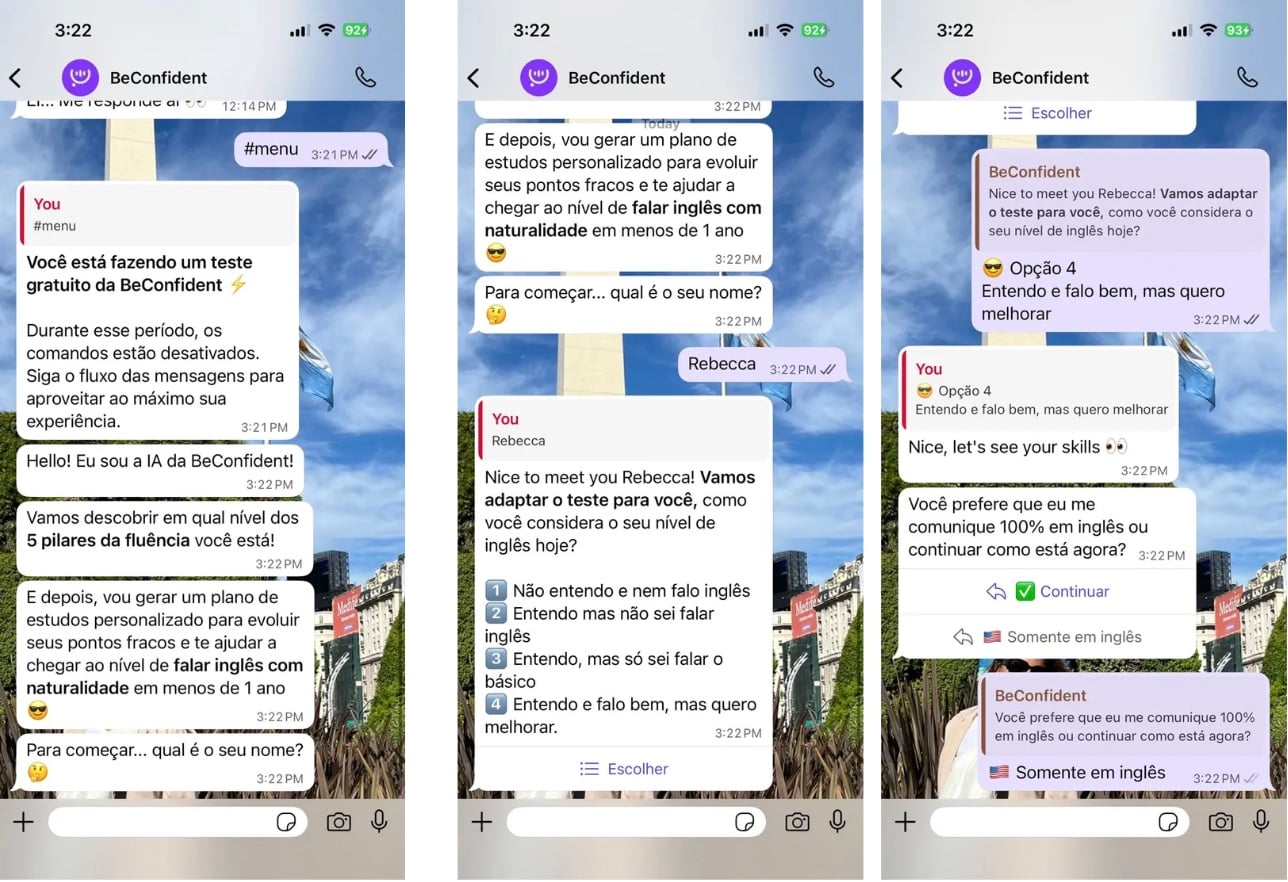
Unlike expensive traditional schools or apps like Duolingo, which focus very little on conversation, BeConfident allows unlimited practice 24 hours a day via app, WhatsApp, or smartwatch. This flexibility eliminates the barrier of fixed schedules and makes it easier to keep a consistent routine. The platform provides instant, non-judgmental feedback, allowing you to make mistakes, adjust, and try again without the anxiety of disappointing a human teacher. This approach has already helped 200,000 paid students and 3 million total users develop conversational fluency.
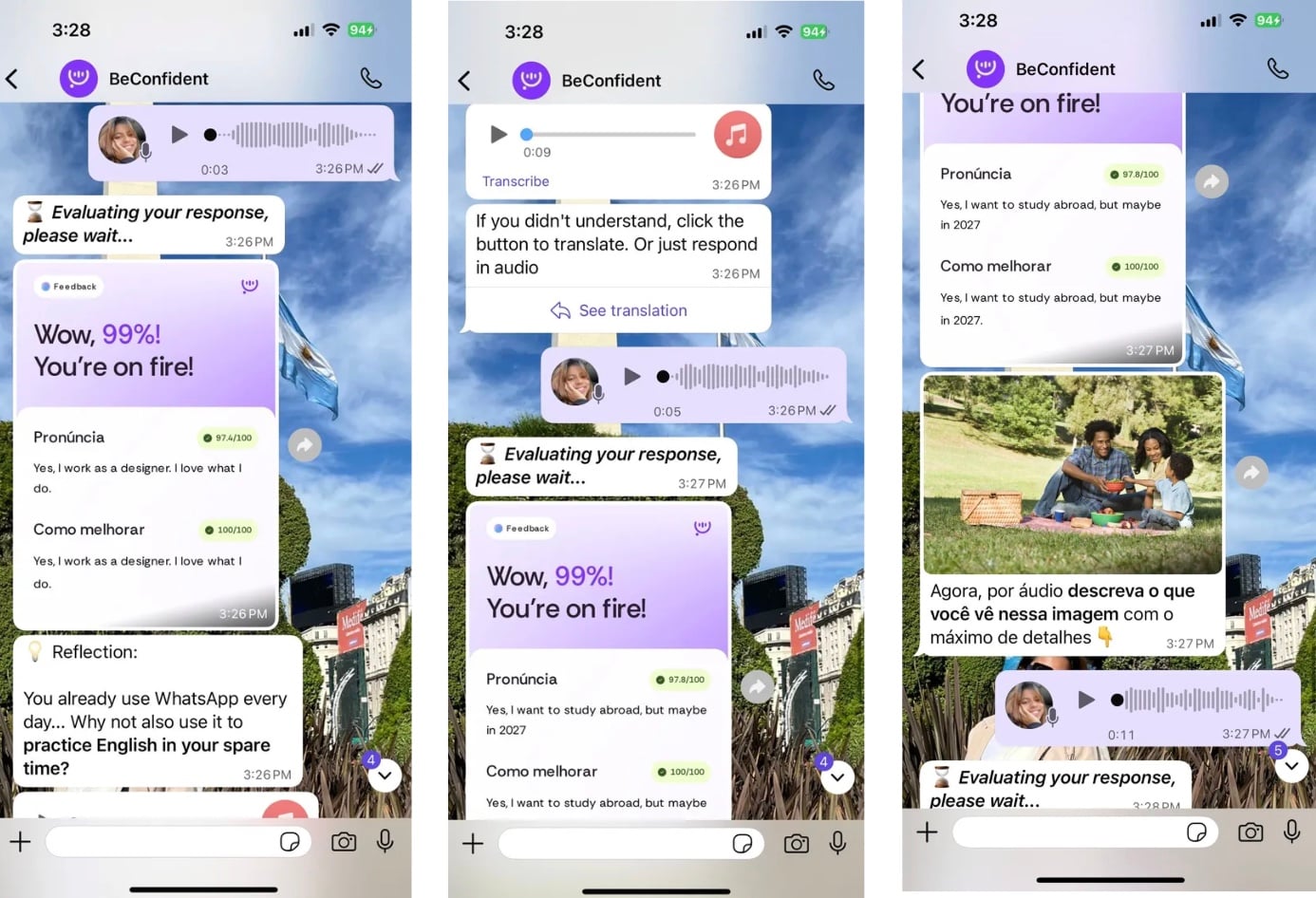
Features include structured tracks, personalized error review, and streaks that encourage continuous practice.
Try BeConfident's affordable annual subscription and start evolving from shadowing to real conversations, start your free trial.
Track your progress and advance
Tracking your progress helps you see concrete results and reduces the feeling of being stuck. Keeping track of objective metrics like time spent speaking without freezing, pronunciation clarity, and accumulated practice hours shows that nervousness is actually decreasing. BeConfident features a streak system, leaderboards, and certificates, making progress visible and reinforcing confidence.
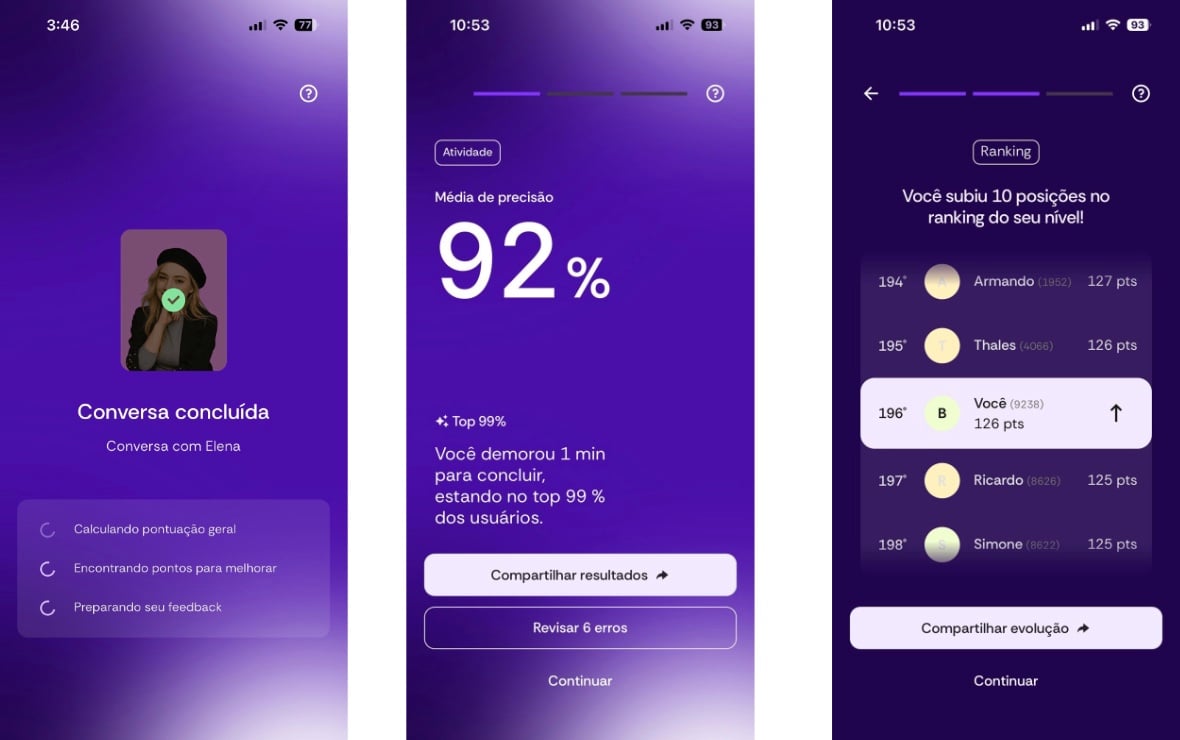
Setting realistic weekly goals, like completing 5 shadowing sessions or maintaining a 3-minute conversation without long pauses, creates a steady feeling of advancement. This gradual progress builds sustainable confidence for real life communication scenarios.
Frequently Asked Questions
What exactly is shadowing?
Shadowing is the practice of mimicking English audio in real time, like a sound shadow. Unlike simple repetition, you keep up with the native speaker without pauses, which develops muscle memory for natural sounds and rhythms.
What app should I use to practice shadowing?
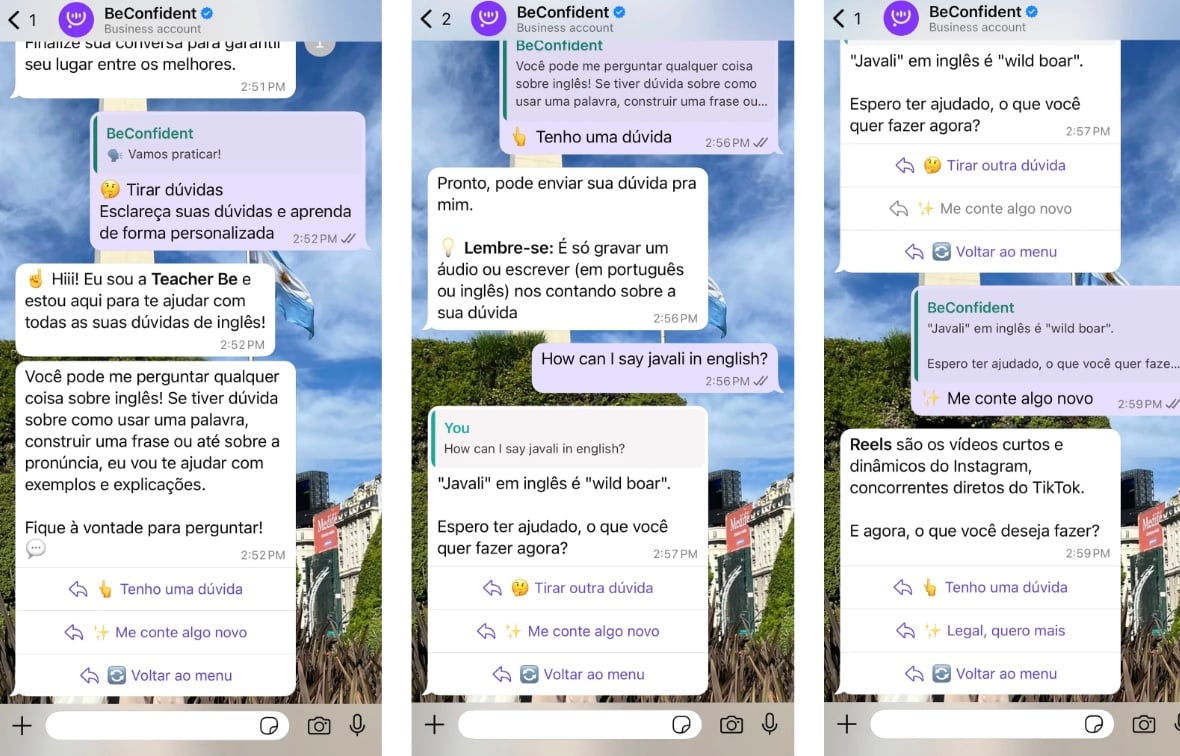
BeConfident integrates shadowing with conversation through AI tutors, creating a natural progression from solo practice to real conversations. The app allows you to record your voice, compare with native speakers, and receive personalized feedback on pronunciation and fluency.
Does shadowing really improve pronunciation?
Shadowing improves pronunciation because it trains your mouth to reproduce native sounds repeatedly and consciously. Regular practice of 10 minutes a day can yield noticeable improvements in a few weeks, especially when you receive personalized AI feedback to correct fine details.
How does shadowing help overcome speaking embarrassment?
Shadowing eliminates the anxiety of being judged because you practice alone, without external pressure. After weeks of repeating native sounds, your mouth automates the correct movements. When real conversation happens, you don't freeze as easily because speaking has become more automatic.
Is BeConfident better than Duolingo for conversation?
BeConfident focuses specifically on conversation with AI tutors available 24/7, whereas Duolingo prioritizes gamification with little oral practice. To develop real conversational fluency, BeConfident offers a more suitable environment, with instant feedback and complete personalization—the same platform that has already helped millions of users overcome speaking anxiety.
Conclusion
The shadowing technique offers a structured path to overcome the embarrassment of speaking English because it builds confidence through consistent solo practice. When you combine this foundation with personalized conversation via AI, you start to develop more natural fluency without the pressure of judgment.
Turn your shadowing into fluent conversations and take this confidence into real-life situations, start your free trial today with BeConfident.
Written by: Luan Cavallaro, Founder & CMO, BeConfident
Key takeaways from this article
Shadowing is repeating English audio in real time, mimicking pronunciation, rhythm, and intonation to build muscle memory without pressure.
The technique reduces speaking embarrassment through solo practice, building natural confidence before real conversations.
Practicing 10 minutes a day with short audio from podcasts or TED Talks allows you to progress from pausing to real-time and recording.
Avoiding pitfalls like shadowing too fast or ignoring comprehension helps maintain consistency and gradual progress.
Combining shadowing with BeConfident's AI tutors helps you evolve into fluent conversations, start your free trial.
What is the shadowing technique?
The shadowing technique, or shadow repetition, is the practice of repeating English audio immediately after hearing it, mimicking the speaker's pronunciation, rhythm, and intonation. Unlike simple repetition, shadowing requires you to keep up with the audio in real time, like a sound shadow.
This practice automates speech patterns and reduces the room for thinking about mistakes, which decreases the anxiety that causes stuttering or freezing. When you practice shadowing regularly, your mouth and brain build muscle memory for English sounds and rhythms. This creates natural confidence to speak without feeling embarrassed.
Why shadowing is suitable for overcoming embarrassed English speaking
The embarrassment of speaking English often stems from the fear of making mistakes and being judged. The shadowing technique reduces this pressure because you practice alone, focusing on mimicking native sounds without worrying about perfect grammar or advanced vocabulary.
The benefits of shadowing include improved pronunciation, clearer diction, more natural fluency, and sharper listening skills. Just 10 minutes of daily practice can yield noticeable progress in a few weeks, especially for professionals who need to speak English in negotiations or for travelers who want to communicate with more confidence abroad.
This technique builds muscular confidence that reduces the fear of speaking, because your mouth already knows the movements required to produce native sounds. When the moment of actual conversation arrives, you don't need to consciously think about every word. Speech starts flowing more naturally.
Ideal materials for shadowing in 2026
To practice shadowing effectively, it is important to choose content with clear audio and a duration of between 1 and 3 minutes. A podcast like BBC 6 Minute English offers short episodes with standard British pronunciation, which is suitable for those starting out with shadowing.
Short TED Talks, YouTube videos with native speakers talking naturally, and even educational TikToks also work well. The key point is to select material slightly above your current level but still understandable. Avoid content with multiple speakers or too much background noise, as this makes precise imitation difficult.
Once you have selected the right material, you can follow a structured routine to turn this listening into active speaking practice.
Step-by-step: how to use shadowing for fluency without feeling embarrassed
Follow this structured method to maximize the benefits of shadowing. These seven steps create a natural progression from passive listening to real-time imitation, helping you develop pronunciation and rhythm before aiming for native speed.
1. Choose short audio (1-2 minutes)
Select content with clear speech and moderate speed. An educational podcast or a YouTube video with a single speaker usually works well.
2. Listen passively first
Play the audio once just listening, without trying to repeat. Focus on noticing the overall rhythm, intonation, and pauses.
3. Practice slow shadowing with pauses
Play the audio pausing after each sentence. Repeat each segment until you can comfortably mimic the basic pronunciation.
4. Do real-time shadowing
Play the full audio and try to keep up in real time. Do not seek perfection. Focus on maintaining the rhythm and not stopping, even if some words escape you.
5. Record your voice and compare
Use your phone's voice recorder to record your attempt. Compare it to the original audio and identify differences in pronunciation, rhythm, and clarity.
6. Refine rhythm and intonation
Repeat the process focusing specifically on mimicking the melody of the speech, the rises and falls of intonation, and the native speaker's natural pauses.
7. Maintain a daily 10-minute routine
Establish a fixed time for practice. Daily consistency builds muscle memory more effectively than long, spaced-out sessions, because the brain needs frequent exposure to automate new speech patterns. Because of this, 10 minutes a day beats 1 hour a week.
Common pitfalls and how to avoid them
Many practitioners make mistakes that hinder the development of confidence. Doing shadowing too fast before mastering basic pronunciation builds bad habits and makes you feel unable to keep up with natural speech rhythms.
Another common mistake is ignoring comprehension during shadowing, repeating without understanding the meaning. This prevents the brain from connecting sounds to real meanings and reduces the impact of the practice on fluency.
Avoid initial perfectionism. When you expect perfect imitation from day one, every small mistake feels like a personal failure and fuels the embarrassment that freezes your speech. Instead, celebrate incremental progress, such as an improvement in a specific sound or a few extra seconds keeping up with the native rhythm. This shift in focus reduces unfavorable comparisons with native speakers and builds confidence gradually.
Progression: from solo shadowing to real conversations with AI
After a few weeks of practicing shadowing, you tend to notice an improvement in pronunciation and natural speech. Your mouth starts to recognize the movements of native sounds. However, shadowing is a one-sided practice where you only mimic and do not get responses. To turn this mechanical skill into real fluency, you need interactive conversation where someone reacts to what you say. Shadowing prepares your mouth and ear, but solid fluency comes from conversational practice.
Shadowing prepares your mouth and ear, but true fluency comes from conversational practice. BeConfident offers the natural evolution of shadowing through AI tutors with distinct personalities and varied accents, such as American, British, Australian, Canadian, South African, and Indian.
Unlike expensive traditional schools or apps like Duolingo, which focus very little on conversation, BeConfident allows unlimited practice 24 hours a day via app, WhatsApp, or smartwatch. This flexibility eliminates the barrier of fixed schedules and makes it easier to keep a consistent routine. The platform provides instant, non-judgmental feedback, allowing you to make mistakes, adjust, and try again without the anxiety of disappointing a human teacher. This approach has already helped 200,000 paid students and 3 million total users develop conversational fluency.
Features include structured tracks, personalized error review, and streaks that encourage continuous practice.
Try BeConfident's affordable annual subscription and start evolving from shadowing to real conversations, start your free trial.
Track your progress and advance
Tracking your progress helps you see concrete results and reduces the feeling of being stuck. Keeping track of objective metrics like time spent speaking without freezing, pronunciation clarity, and accumulated practice hours shows that nervousness is actually decreasing. BeConfident features a streak system, leaderboards, and certificates, making progress visible and reinforcing confidence.
Setting realistic weekly goals, like completing 5 shadowing sessions or maintaining a 3-minute conversation without long pauses, creates a steady feeling of advancement. This gradual progress builds sustainable confidence for real life communication scenarios.
Frequently Asked Questions
What exactly is shadowing?
Shadowing is the practice of mimicking English audio in real time, like a sound shadow. Unlike simple repetition, you keep up with the native speaker without pauses, which develops muscle memory for natural sounds and rhythms.
What app should I use to practice shadowing?
BeConfident integrates shadowing with conversation through AI tutors, creating a natural progression from solo practice to real conversations. The app allows you to record your voice, compare with native speakers, and receive personalized feedback on pronunciation and fluency.
Does shadowing really improve pronunciation?
Shadowing improves pronunciation because it trains your mouth to reproduce native sounds repeatedly and consciously. Regular practice of 10 minutes a day can yield noticeable improvements in a few weeks, especially when you receive personalized AI feedback to correct fine details.
How does shadowing help overcome speaking embarrassment?
Shadowing eliminates the anxiety of being judged because you practice alone, without external pressure. After weeks of repeating native sounds, your mouth automates the correct movements. When real conversation happens, you don't freeze as easily because speaking has become more automatic.
Is BeConfident better than Duolingo for conversation?
BeConfident focuses specifically on conversation with AI tutors available 24/7, whereas Duolingo prioritizes gamification with little oral practice. To develop real conversational fluency, BeConfident offers a more suitable environment, with instant feedback and complete personalization—the same platform that has already helped millions of users overcome speaking anxiety.
Conclusion
The shadowing technique offers a structured path to overcome the embarrassment of speaking English because it builds confidence through consistent solo practice. When you combine this foundation with personalized conversation via AI, you start to develop more natural fluency without the pressure of judgment.
Turn your shadowing into fluent conversations and take this confidence into real-life situations, start your free trial today with BeConfident.