

Learn English with AI
How to say countries and nationalities in English
to be
independent
to be
ready
to be
limitless
to be
empowered
to be
bold
to be
proud
to be
determinado
to be
fearless
to be
passionate
to be
inspired
Dictionary
Definition of countries and nationalities in English
The most common way to say "countries and nationalities" in English is "countries and nationalities".
Each country has its own nationality adjective that describes its inhabitants, culture, and language.
Knowing countries and nationalities is essential for introductions, travel, and intercultural conversations.
How to use countries and nationalities in English in practice
You can use "countries and nationalities" in various situations, such as:
I am Brazilian, from Brazil. I am Brazilian, from Brazil.
She is Italian, from Italy. She is Italian, from Italy.
They are Japanese, from Japan. They are Japanese, from Japan.
These examples show the relationship between country and nationality.
When to use (and when not to use) countries and nationalities in English
Use the name of the country capitalized and the nationality adjective also capitalized in English.
Avoid using lowercase in nationalities: "brazilian" is incorrect; the correct is "Brazilian".
For the language, it generally coincides with the nationality: "I speak Portuguese" (Portuguese).
12 country-nationality pairs in English
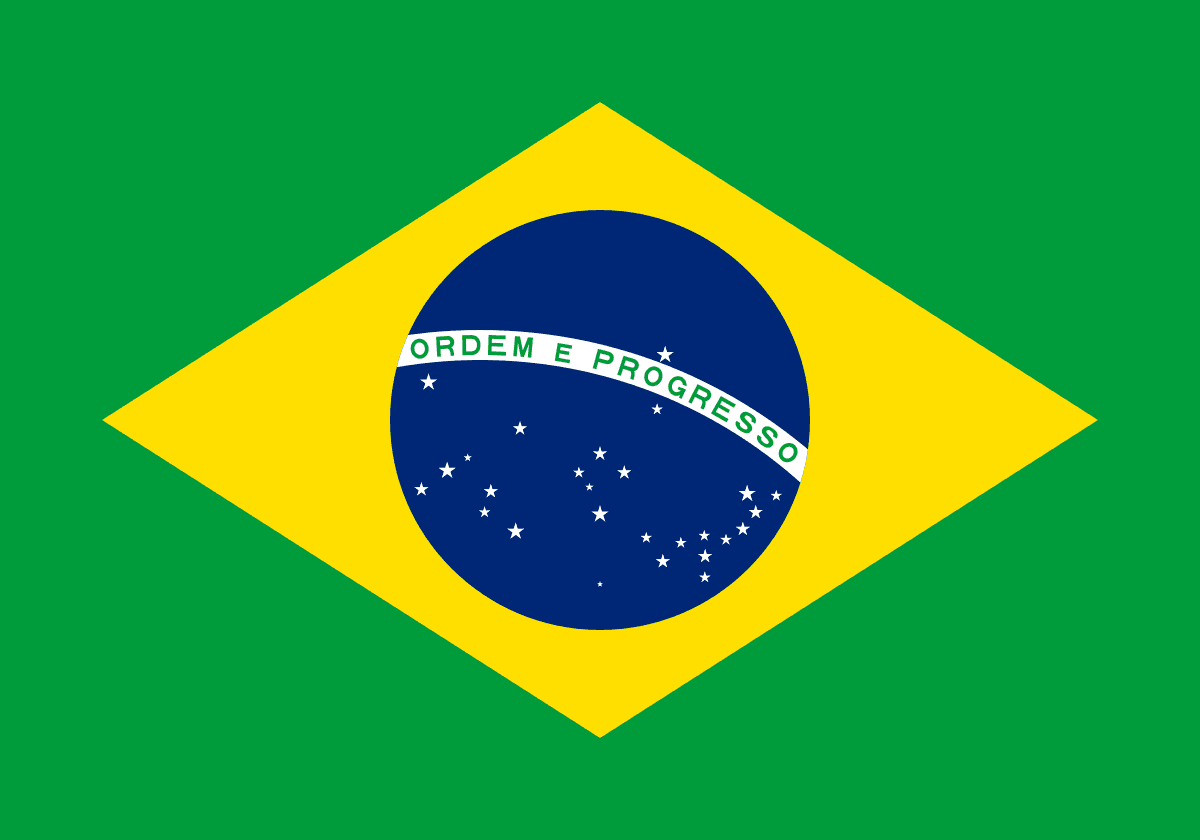
Brazil → Brazilian
Brazil, Brazilian.
USA → American
United States, American.
UK → British
United Kingdom, British.
Canada → Canadian
Canada, Canadian.
Australia → Australian
Australia, Australian.
France → French
France, French.
Germany → German
Germany, German.
Italy → Italian
Italy, Italian.
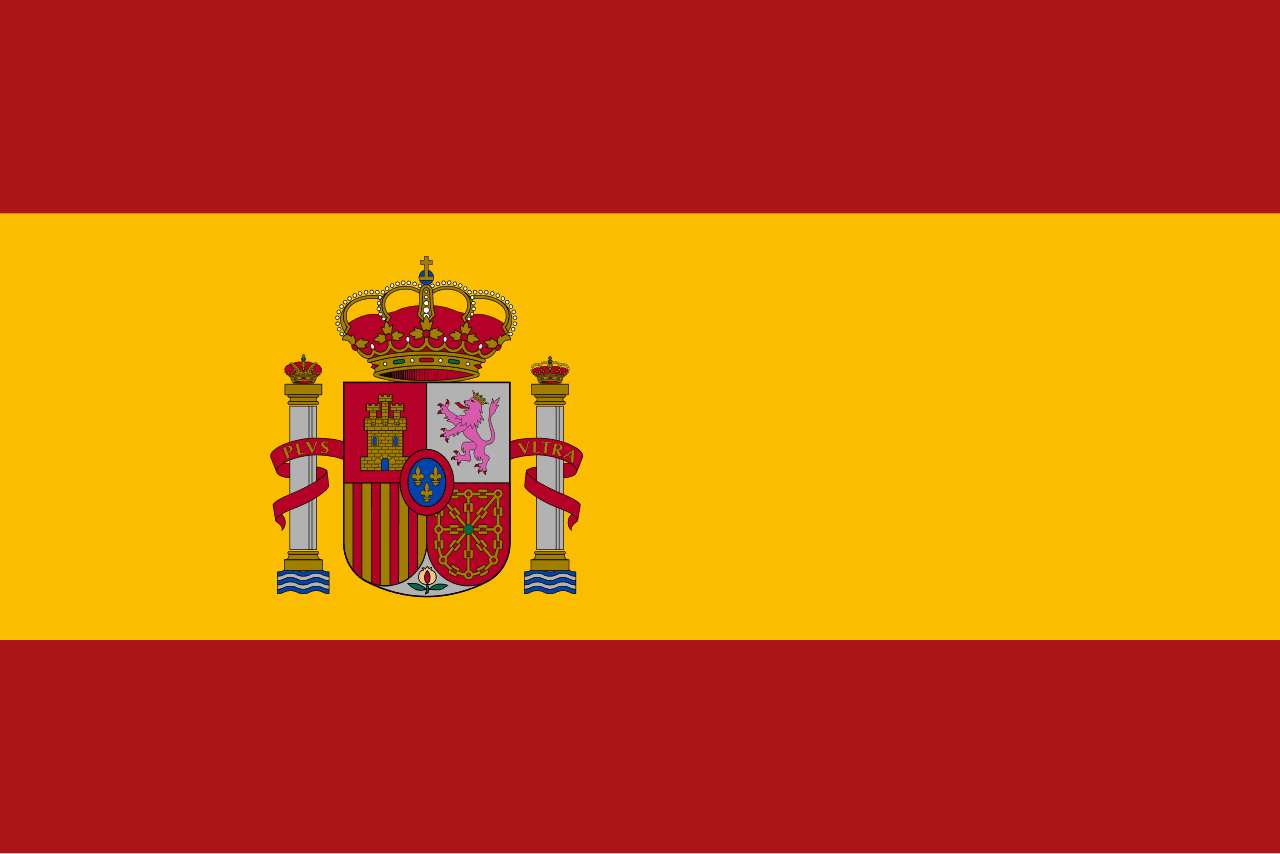
Spain → Spanish
Spain, Spanish.
Japan → Japanese
Japan, Japanese.
China → Chinese
China, Chinese.
Mexico → Mexican
Mexico, Mexican.
Brazil → Brazilian
Brazil, Brazilian.
USA → American
United States, American.
UK → British
United Kingdom, British.
Canada → Canadian
Canada, Canadian.
Australia → Australian
Australia, Australian.
France → French
France, French.
Germany → German
Germany, German.
Italy → Italian
Italy, Italian.
Spain → Spanish
Spain, Spanish.
Japan → Japanese
Japan, Japanese.
China → Chinese
China, Chinese.
Mexico → Mexican
Mexico, Mexican.
Brazil → Brazilian
Brazil, Brazilian.
USA → American
United States, American.
UK → British
United Kingdom, British.
Canada → Canadian
Canada, Canadian.
Australia → Australian
Australia, Australian.
France → French
France, French.
Germany → German
Germany, German.
Italy → Italian
Italy, Italian.
Spain → Spanish
Spain, Spanish.
Japan → Japanese
Japan, Japanese.
China → Chinese
China, Chinese.
Mexico → Mexican
Mexico, Mexican.
Brazil → Brazilian
Brazil, Brazilian.
USA → American
United States, American.
UK → British
United Kingdom, British.
Canada → Canadian
Canada, Canadian.
Australia → Australian
Australia, Australian.
France → French
France, French.
Germany → German
Germany, German.
Italy → Italian
Italy, Italian.
Spain → Spanish
Spain, Spanish.
Japan → Japanese
Japan, Japanese.
China → Chinese
China, Chinese.
Mexico → Mexican
Mexico, Mexican.
to speak English
Open your world to new opportunities


Learn English with AI
How to say countries and nationalities in English
to be
independent
to be
ready
to be
limitless
to be
empowered
to be
bold
to be
proud
to be
determinado
to be
fearless
to be
passionate
to be
inspired
Dictionary
Definition of countries and nationalities in English
The most common way to say "countries and nationalities" in English is "countries and nationalities".
Each country has its own nationality adjective that describes its inhabitants, culture, and language.
Knowing countries and nationalities is essential for introductions, travel, and intercultural conversations.
How to use countries and nationalities in English in practice
You can use "countries and nationalities" in various situations, such as:
I am Brazilian, from Brazil. I am Brazilian, from Brazil.
She is Italian, from Italy. She is Italian, from Italy.
They are Japanese, from Japan. They are Japanese, from Japan.
These examples show the relationship between country and nationality.
When to use (and when not to use) countries and nationalities in English
Use the name of the country capitalized and the nationality adjective also capitalized in English.
Avoid using lowercase in nationalities: "brazilian" is incorrect; the correct is "Brazilian".
For the language, it generally coincides with the nationality: "I speak Portuguese" (Portuguese).
12 country-nationality pairs in English
Brazil → Brazilian
Brazil, Brazilian.
USA → American
United States, American.
UK → British
United Kingdom, British.
Canada → Canadian
Canada, Canadian.
Australia → Australian
Australia, Australian.
France → French
France, French.
Germany → German
Germany, German.
Italy → Italian
Italy, Italian.
Spain → Spanish
Spain, Spanish.
Japan → Japanese
Japan, Japanese.
China → Chinese
China, Chinese.
Mexico → Mexican
Mexico, Mexican.
Brazil → Brazilian
Brazil, Brazilian.
USA → American
United States, American.
UK → British
United Kingdom, British.
Canada → Canadian
Canada, Canadian.
Australia → Australian
Australia, Australian.
France → French
France, French.
Germany → German
Germany, German.
Italy → Italian
Italy, Italian.
Spain → Spanish
Spain, Spanish.
Japan → Japanese
Japan, Japanese.
China → Chinese
China, Chinese.
Mexico → Mexican
Mexico, Mexican.
Brazil → Brazilian
Brazil, Brazilian.
USA → American
United States, American.
UK → British
United Kingdom, British.
Canada → Canadian
Canada, Canadian.
Australia → Australian
Australia, Australian.
France → French
France, French.
Germany → German
Germany, German.
Italy → Italian
Italy, Italian.
Spain → Spanish
Spain, Spanish.
Japan → Japanese
Japan, Japanese.
China → Chinese
China, Chinese.
Mexico → Mexican
Mexico, Mexican.
Brazil → Brazilian
Brazil, Brazilian.
USA → American
United States, American.
UK → British
United Kingdom, British.
Canada → Canadian
Canada, Canadian.
Australia → Australian
Australia, Australian.
France → French
France, French.
Germany → German
Germany, German.
Italy → Italian
Italy, Italian.
Spain → Spanish
Spain, Spanish.
Japan → Japanese
Japan, Japanese.
China → Chinese
China, Chinese.
Mexico → Mexican
Mexico, Mexican.
to speak English
Open your world to new opportunities
Learn English with AI
How to say countries and nationalities in English
to be
independent
to be
ready
to be
limitless
to be
empowered
to be
bold
to be
proud
to be
determinado
to be
fearless
to be
passionate
to be
inspired
Dictionary
Definition of countries and nationalities in English
The most common way to say "countries and nationalities" in English is "countries and nationalities".
Each country has its own nationality adjective that describes its inhabitants, culture, and language.
Knowing countries and nationalities is essential for introductions, travel, and intercultural conversations.
How to use countries and nationalities in English in practice
You can use "countries and nationalities" in various situations, such as:
I am Brazilian, from Brazil. I am Brazilian, from Brazil.
She is Italian, from Italy. She is Italian, from Italy.
They are Japanese, from Japan. They are Japanese, from Japan.
These examples show the relationship between country and nationality.
When to use (and when not to use) countries and nationalities in English
Use the name of the country capitalized and the nationality adjective also capitalized in English.
Avoid using lowercase in nationalities: "brazilian" is incorrect; the correct is "Brazilian".
For the language, it generally coincides with the nationality: "I speak Portuguese" (Portuguese).
12 country-nationality pairs in English
Brazil → Brazilian
Brazil, Brazilian.
USA → American
United States, American.
UK → British
United Kingdom, British.
Canada → Canadian
Canada, Canadian.
Australia → Australian
Australia, Australian.
France → French
France, French.
Germany → German
Germany, German.
Italy → Italian
Italy, Italian.
Spain → Spanish
Spain, Spanish.
Japan → Japanese
Japan, Japanese.
China → Chinese
China, Chinese.
Mexico → Mexican
Mexico, Mexican.
Brazil → Brazilian
Brazil, Brazilian.
USA → American
United States, American.
UK → British
United Kingdom, British.
Canada → Canadian
Canada, Canadian.
Australia → Australian
Australia, Australian.
France → French
France, French.
Germany → German
Germany, German.
Italy → Italian
Italy, Italian.
Spain → Spanish
Spain, Spanish.
Japan → Japanese
Japan, Japanese.
China → Chinese
China, Chinese.
Mexico → Mexican
Mexico, Mexican.
Brazil → Brazilian
Brazil, Brazilian.
USA → American
United States, American.
UK → British
United Kingdom, British.
Canada → Canadian
Canada, Canadian.
Australia → Australian
Australia, Australian.
France → French
France, French.
Germany → German
Germany, German.
Italy → Italian
Italy, Italian.
Spain → Spanish
Spain, Spanish.
Japan → Japanese
Japan, Japanese.
China → Chinese
China, Chinese.
Mexico → Mexican
Mexico, Mexican.
Brazil → Brazilian
Brazil, Brazilian.
USA → American
United States, American.
UK → British
United Kingdom, British.
Canada → Canadian
Canada, Canadian.
Australia → Australian
Australia, Australian.
France → French
France, French.
Germany → German
Germany, German.
Italy → Italian
Italy, Italian.
Spain → Spanish
Spain, Spanish.
Japan → Japanese
Japan, Japanese.
China → Chinese
China, Chinese.
Mexico → Mexican
Mexico, Mexican.
Empower your ability
to speak English
Open your world to new opportunities