




50 English expressions for professional negotiation
50 English expressions for professional negotiation
50 English expressions for professional negotiation
Written by: Luan Cavallaro, Founder & CMO, BeConfident
Key takeaways from this article
Mastering the 7 stages of negotiation in English, from starting with "Let's get down to business" to closing with "We have a deal", increases confidence in international negotiations.
Using "we" instead of "I" strengthens your position, as in "We need to see more value", because it sounds like company policy.
Making flexible counterproposals with phrases like "Can we meet halfway?" and seeking win-win solutions helps build sustainable agreements.
Supporting arguments with market data, such as "My research shows market rate is...", makes salary and price negotiations more objective.
Practicing these expressions with BeConfident's personalized AI tutors accelerates fluency: test for free now.
1. Expressions to start the negotiation
Starting the negotiation with clarity sets the professional tone and shows preparation. Effective opening combines active listening, questions, and gathering insights, which creates a collaborative environment from the very beginning.
"Let's get down to business" - Let's get straight to the point (Example: "Hi team, let's get down to business on the contract timeline.")
"Shall we get started?" - Shall we begin? (for formal meetings)
"I'd like to discuss the terms" - I would like to discuss the terms
"What's your initial position on this?" - What is your initial position on this?
"Let's explore our options" - Let's explore our options
"I'm here to find a solution" - I am here to find a solution
"What are your main concerns?" - What are your main concerns?
"Let's establish the ground rules" - Let's establish the ground rules
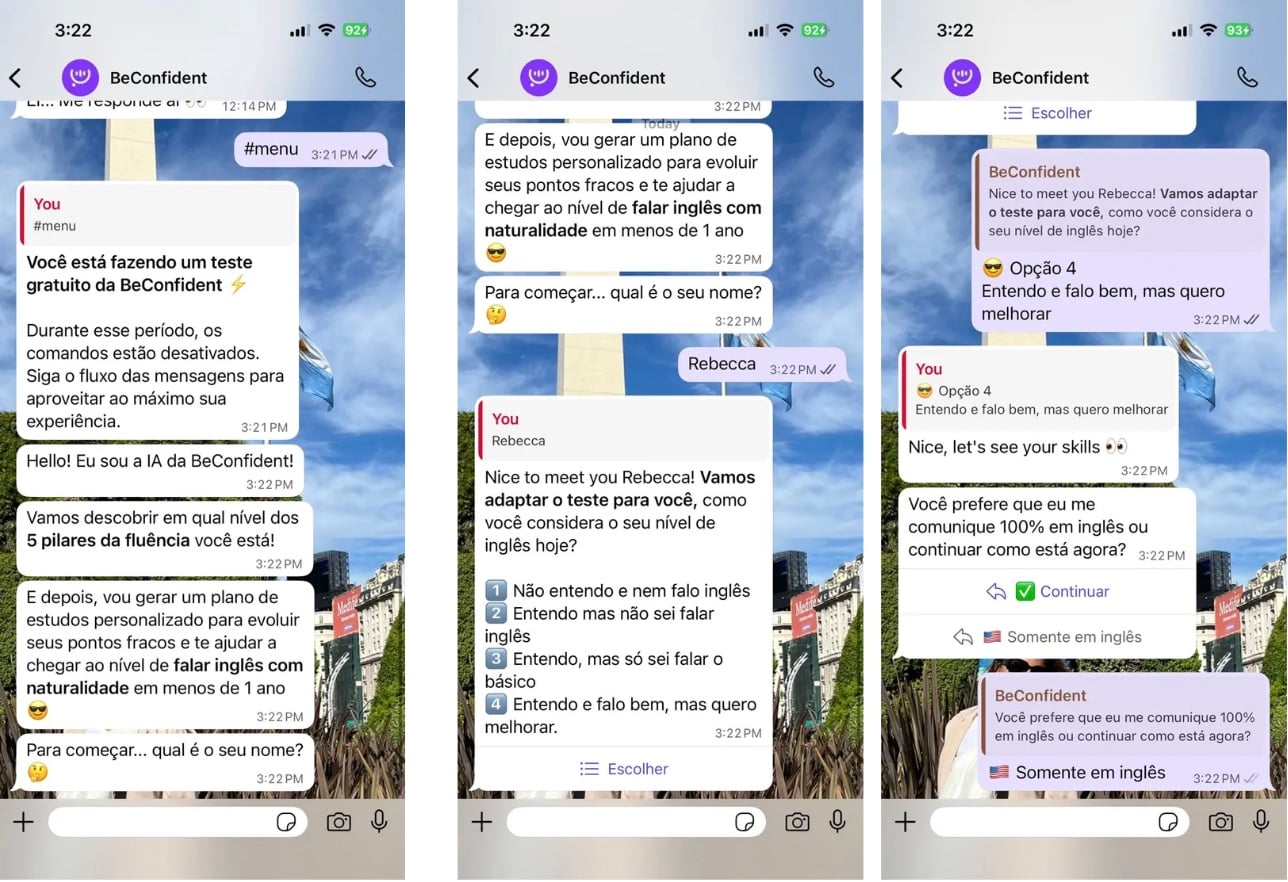
Pronunciation tip: in "Let's get down to business", emphasize "down" and "business" with a falling intonation to sound more natural. At BeConfident, you can practice with a tutor specialized in business negotiations and simulate real meeting opening scenarios. Practice these opening phrases for free.
2. Presenting your position
Presenting your position with clarity and firmness creates credibility from the first minutes. Using "we" in statements strengthens your position and signals that you represent the organization, not just an individual opinion.
"Our position is clear on this matter" - Our position is clear on this matter
"We believe this is a fair offer" - We believe this is a fair offer
"What's your bottom line?" - What is your bottom line or minimum limit?
"We need to see more value" - We need to see more value
"This doesn't align with our expectations" - This doesn't align with our expectations
"We're looking for a long-term partnership" - We're looking for a long-term partnership
"Our research shows that..." - Our research shows that...
"We have some concerns about..." - We have some concerns about...
Dialogue example: manager to supplier: "Our research shows that market rates for this service are 15% lower. We need to see more value in your proposal to justify the premium pricing." This type of phrasing combines objective data with a clear position.
With BeConfident, you receive instant feedback on pronunciation and sentence structure, which polishes your ability to present positions with authority. When both parties have already presented their points, the natural next step is to formulate counterproposals that align expectations.
3. Making counterproposals
Making effective counterproposals keeps the negotiation active and shows willingness to reach an agreement. Today's negotiators often support these proposals with concrete data and scenarios. Sales teams increasingly use visual breakdowns to frame discussions as business decisions; therefore, expressions that structure alternatives have become essential.
"Can we meet halfway?" - Can we meet halfway?
"What if we adjust the timeline?" - What if we adjust the timeline?
"I have a different proposal" - I have a different proposal
"Let's consider an alternative approach" - Let's consider an alternative approach
"How about we structure it this way?" - How about we structure it this way?
"We could offer additional services instead" - We could offer additional services instead
"What would make this work for you?" - What would make this work for you?
"Let me run this by my team" - Let me run this by my team
See how these expressions work together in a real price negotiation scenario with a supplier: "Your initial quote is above our budget. Can we meet halfway at $50,000, or what if we adjust the delivery timeline to reduce costs?" The combination of budget limit and concrete alternatives increases the chance of an agreement.
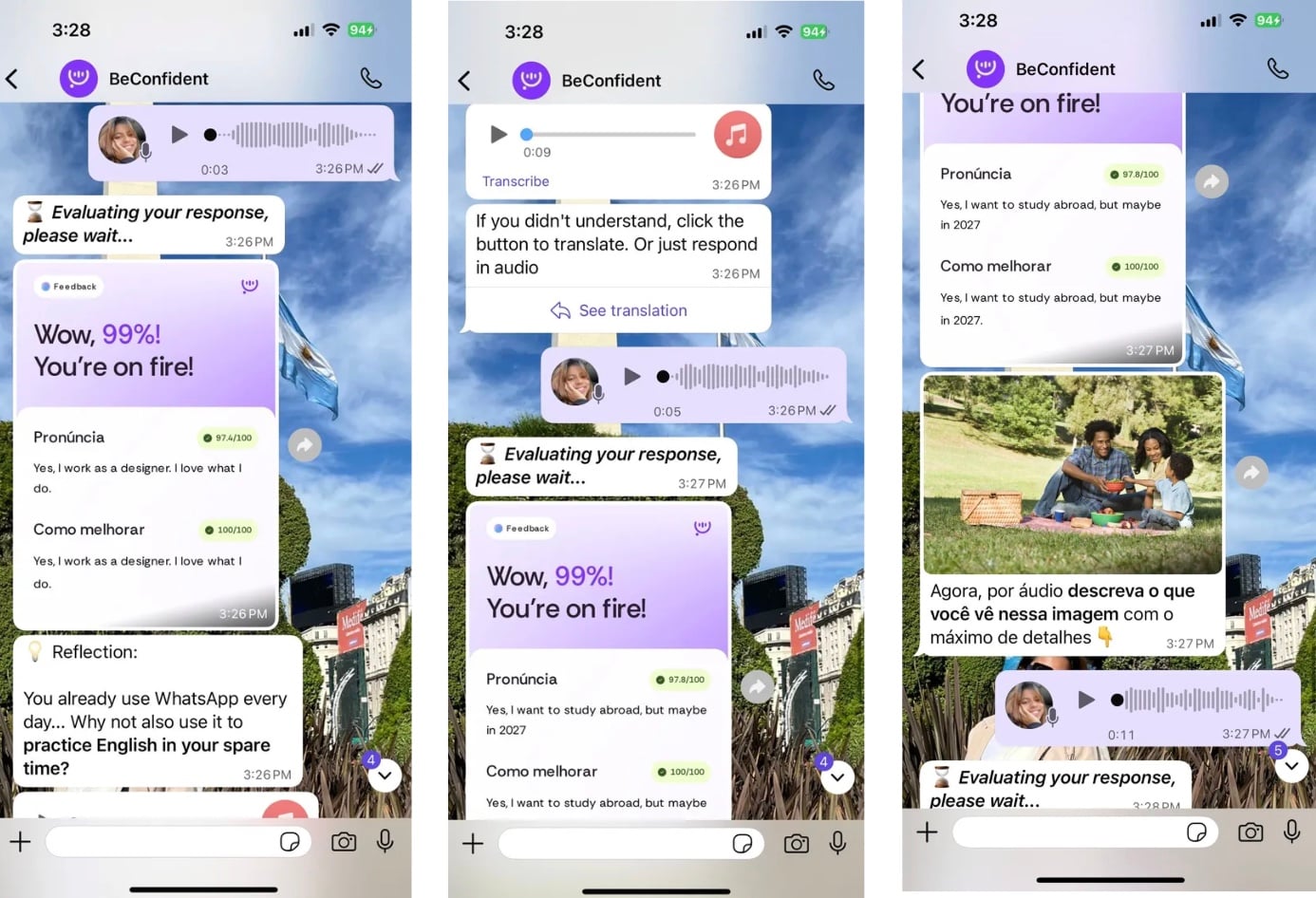
Simulate negotiations with different personalities for free, using the BeConfident platform to practice counterproposals with AI tutors that adapt to your style.
4. Negotiating concessions and win-win
Negotiating concessions with a win-win focus preserves the relationship and reduces resistance. Using empathy and encouraging transparency helps reach solutions that benefit both sides.
"Let's find common ground" - Let's find common ground
"We're open to exploring options" - We're open to exploring options
"This could work for both of us" - This could work for both of us
"What would you need to make this happen?" - What would you need to make this happen?
"We can be flexible on that point" - We can be flexible on that point
"Let's look for a win-win solution" - Let's look for a win-win solution
"I understand your constraints" - I understand your constraints
"We value this relationship" - We value this relationship
Full Dialogue:
Buyer: "We value this relationship and want to find common ground."
Supplier: "I understand your constraints. What would you need to make this happen?"
Buyer: "We can be flexible on delivery dates if you can adjust the pricing. This could work for both of us." This type of exchange shows concessions from both sides without losing sight of the common goal.
BeConfident offers specific negotiation scenarios with personalized feedback on your use of diplomatic and persuasive expressions. When you realize that there is already alignment and that the main concessions have been defined, it is time to move towards closing.
5. Closing the deal
Closing the deal solidifies the agreed-upon terms and defines clear next steps. Closing phrases like "Are you ready to move forward?" and "We can send the contract today" help turn consensus into formal commitment.
"We have a deal" - We have a deal
"Are you ready to move forward?" - Are you ready to move forward?
"Let's finalize the details" - Let's finalize the details
"When can we start?" - When can we start?
"I think we're on the same page" - I think we're on the same page
"Shall we put this in writing?" - Shall we put this in writing?
"We can send the contract today" - We can send the contract today
"This looks good to me" - This looks good to me
Example: "I think we're on the same page now. We have a deal at $45,000 with delivery in 6 weeks. Shall we put this in writing? We can send the contract today." After formalizing the agreement, the focus shifts to follow-up to ensure execution and maintain the relationship.
6. Post-negotiation follow-up
Following up after the negotiation reinforces trust and ensures that what was agreed upon becomes reality. This step also opens doors for future opportunities and fine-tuning execution.
"Let's touch base next week" - Let's touch base next week
"I'll send you a summary of our discussion" - I'll send you a summary of our discussion
"Please confirm receipt of the contract" - Please confirm receipt of the contract
"Let me know if you have any questions" - Let me know if you have any questions
"We look forward to working together" - We look forward to working together
"I'll keep you updated on our progress" - I'll keep you updated on our progress
"Thanks for your time and consideration" - Thanks for your time and consideration
"Let's schedule a follow-up meeting" - Let's schedule a follow-up meeting
7. Advanced expressions for salary and price negotiation
Negotiating salary and price requires precise language backed by data and results.
Phrases like "My research shows that the market rate for this role is around [amount]" gain strength when you connect numbers to concrete outcomes.
"My research shows market rate is..." - My research shows market rate is...
"I've taken on significant new responsibilities" - I've taken on significant new responsibilities
"Based on my performance metrics..." - Based on my performance metrics...
"The industry standard for this position is..." - The industry standard for this position is...
"I believe my contribution demonstrates my value" - I believe my contribution demonstrates my value
"We need to discuss the pricing structure" - We need to discuss the pricing structure
"What's your budget range for this project?" - What's your budget range for this project?
"Let's break down the costs" - Let's break down the costs
These expressions connect to a recurring corporate vocabulary in negotiations. The 10 most used words and expressions include: "bottom line", "win-win", "meet halfway", "common ground", "move forward", "on the same page", "touch base", "break down", "market rate", and "value proposition". Mastering this set helps you understand and participate in complex conversations more naturally.
Master salary negotiation with specialized tutors, with personalized scenarios for your sector available for free.
Frequently Asked Questions
What are the most important expressions for negotiating price in English?
The three essential expressions are: "What's your budget range?", "Can we meet halfway?", and "Let's break down the costs". These phrases allow you to explore limits, propose compromises, and justify pricing in a professional manner.
How to practice negotiation in English fearlessly?
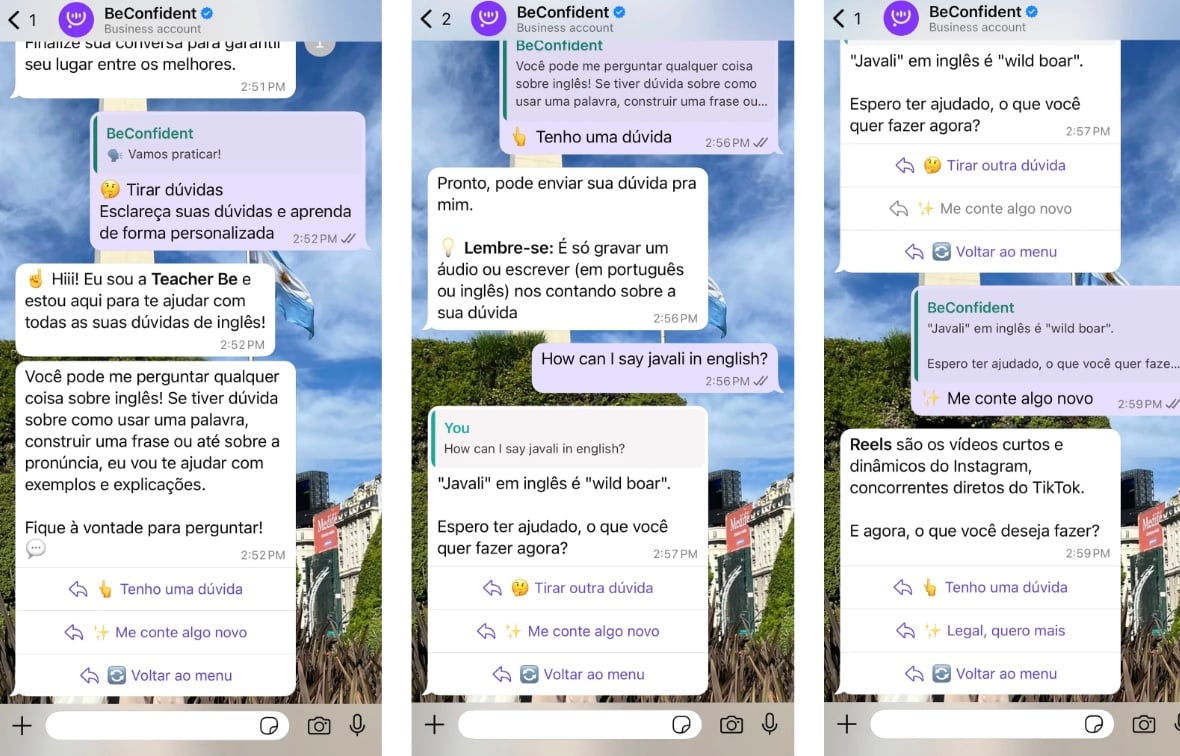
BeConfident offers AI tutors available 24/7 that simulate different personalities and negotiation scenarios. You can practice as many times as you want without judgment and receive instant feedback on pronunciation, grammar, and contextual use of terms.
What is the difference between "bottom line" and "final offer"?
"Bottom line" refers to the essential point or minimum acceptable limit, while "final offer" is a definitive proposal with no room for changes. Use "bottom line" to explore limits and "final offer" only when there is truly no flexibility.
How to use "we" in professional negotiations?
Using "we" instead of "I" strengthens your position by sounding like company policy. For example, "We need to see more value" is stronger than "I need to see more value". This choice shifts the negotiation away from the personal sphere and into the organizational context.
What expressions should be avoided in formal negotiations?
It is best to avoid overly direct language like "That's impossible" or "No way". Phrases such as "That's challenging for us" or "We'd need to explore alternatives" sound more diplomatic. In very formal contexts, it is also better to swap slang like "deal breaker" for alternatives like "significant concern".
Master international negotiations with confidence
These 50 English expressions for professional negotiation cover the essential stages from opening to follow-up. Constant practice in real scenarios strengthens conversational fluency and confidence in high-pressure situations.
BeConfident offers AI tutors specializing in negotiations, available 24/7 via app, WhatsApp, or smartwatch. With over 200,000 students and an RA 1000 reputation, the platform combines unlimited fearless practice, personalized feedback, and specific scenarios for your professional sector.
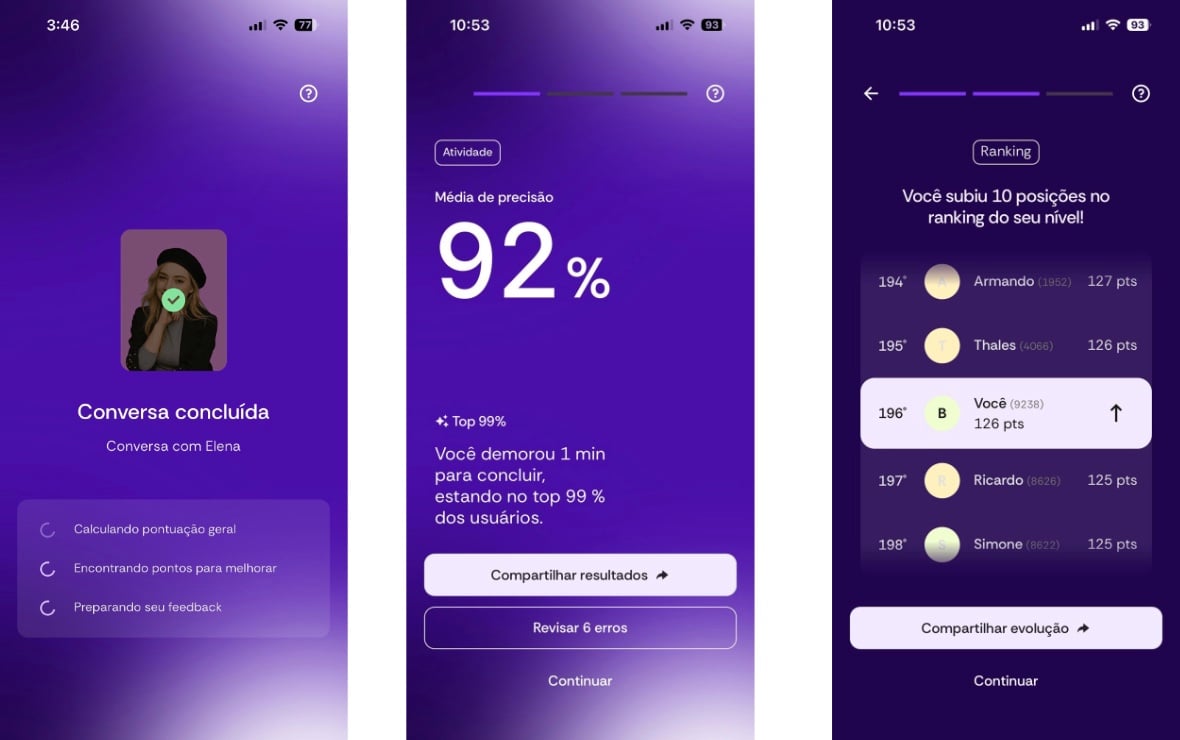
Practice these expressions with AI and speed up your fluency in international negotiations, with free initial access to test the format.
Written by: Luan Cavallaro, Founder & CMO, BeConfident
Key takeaways from this article
Mastering the 7 stages of negotiation in English, from starting with "Let's get down to business" to closing with "We have a deal", increases confidence in international negotiations.
Using "we" instead of "I" strengthens your position, as in "We need to see more value", because it sounds like company policy.
Making flexible counterproposals with phrases like "Can we meet halfway?" and seeking win-win solutions helps build sustainable agreements.
Supporting arguments with market data, such as "My research shows market rate is...", makes salary and price negotiations more objective.
Practicing these expressions with BeConfident's personalized AI tutors accelerates fluency: test for free now.
1. Expressions to start the negotiation
Starting the negotiation with clarity sets the professional tone and shows preparation. Effective opening combines active listening, questions, and gathering insights, which creates a collaborative environment from the very beginning.
"Let's get down to business" - Let's get straight to the point (Example: "Hi team, let's get down to business on the contract timeline.")
"Shall we get started?" - Shall we begin? (for formal meetings)
"I'd like to discuss the terms" - I would like to discuss the terms
"What's your initial position on this?" - What is your initial position on this?
"Let's explore our options" - Let's explore our options
"I'm here to find a solution" - I am here to find a solution
"What are your main concerns?" - What are your main concerns?
"Let's establish the ground rules" - Let's establish the ground rules
Pronunciation tip: in "Let's get down to business", emphasize "down" and "business" with a falling intonation to sound more natural. At BeConfident, you can practice with a tutor specialized in business negotiations and simulate real meeting opening scenarios. Practice these opening phrases for free.
2. Presenting your position
Presenting your position with clarity and firmness creates credibility from the first minutes. Using "we" in statements strengthens your position and signals that you represent the organization, not just an individual opinion.
"Our position is clear on this matter" - Our position is clear on this matter
"We believe this is a fair offer" - We believe this is a fair offer
"What's your bottom line?" - What is your bottom line or minimum limit?
"We need to see more value" - We need to see more value
"This doesn't align with our expectations" - This doesn't align with our expectations
"We're looking for a long-term partnership" - We're looking for a long-term partnership
"Our research shows that..." - Our research shows that...
"We have some concerns about..." - We have some concerns about...
Dialogue example: manager to supplier: "Our research shows that market rates for this service are 15% lower. We need to see more value in your proposal to justify the premium pricing." This type of phrasing combines objective data with a clear position.
With BeConfident, you receive instant feedback on pronunciation and sentence structure, which polishes your ability to present positions with authority. When both parties have already presented their points, the natural next step is to formulate counterproposals that align expectations.
3. Making counterproposals
Making effective counterproposals keeps the negotiation active and shows willingness to reach an agreement. Today's negotiators often support these proposals with concrete data and scenarios. Sales teams increasingly use visual breakdowns to frame discussions as business decisions; therefore, expressions that structure alternatives have become essential.
"Can we meet halfway?" - Can we meet halfway?
"What if we adjust the timeline?" - What if we adjust the timeline?
"I have a different proposal" - I have a different proposal
"Let's consider an alternative approach" - Let's consider an alternative approach
"How about we structure it this way?" - How about we structure it this way?
"We could offer additional services instead" - We could offer additional services instead
"What would make this work for you?" - What would make this work for you?
"Let me run this by my team" - Let me run this by my team
See how these expressions work together in a real price negotiation scenario with a supplier: "Your initial quote is above our budget. Can we meet halfway at $50,000, or what if we adjust the delivery timeline to reduce costs?" The combination of budget limit and concrete alternatives increases the chance of an agreement.
Simulate negotiations with different personalities for free, using the BeConfident platform to practice counterproposals with AI tutors that adapt to your style.
4. Negotiating concessions and win-win
Negotiating concessions with a win-win focus preserves the relationship and reduces resistance. Using empathy and encouraging transparency helps reach solutions that benefit both sides.
"Let's find common ground" - Let's find common ground
"We're open to exploring options" - We're open to exploring options
"This could work for both of us" - This could work for both of us
"What would you need to make this happen?" - What would you need to make this happen?
"We can be flexible on that point" - We can be flexible on that point
"Let's look for a win-win solution" - Let's look for a win-win solution
"I understand your constraints" - I understand your constraints
"We value this relationship" - We value this relationship
Full Dialogue:
Buyer: "We value this relationship and want to find common ground."
Supplier: "I understand your constraints. What would you need to make this happen?"
Buyer: "We can be flexible on delivery dates if you can adjust the pricing. This could work for both of us." This type of exchange shows concessions from both sides without losing sight of the common goal.
BeConfident offers specific negotiation scenarios with personalized feedback on your use of diplomatic and persuasive expressions. When you realize that there is already alignment and that the main concessions have been defined, it is time to move towards closing.
5. Closing the deal
Closing the deal solidifies the agreed-upon terms and defines clear next steps. Closing phrases like "Are you ready to move forward?" and "We can send the contract today" help turn consensus into formal commitment.
"We have a deal" - We have a deal
"Are you ready to move forward?" - Are you ready to move forward?
"Let's finalize the details" - Let's finalize the details
"When can we start?" - When can we start?
"I think we're on the same page" - I think we're on the same page
"Shall we put this in writing?" - Shall we put this in writing?
"We can send the contract today" - We can send the contract today
"This looks good to me" - This looks good to me
Example: "I think we're on the same page now. We have a deal at $45,000 with delivery in 6 weeks. Shall we put this in writing? We can send the contract today." After formalizing the agreement, the focus shifts to follow-up to ensure execution and maintain the relationship.
6. Post-negotiation follow-up
Following up after the negotiation reinforces trust and ensures that what was agreed upon becomes reality. This step also opens doors for future opportunities and fine-tuning execution.
"Let's touch base next week" - Let's touch base next week
"I'll send you a summary of our discussion" - I'll send you a summary of our discussion
"Please confirm receipt of the contract" - Please confirm receipt of the contract
"Let me know if you have any questions" - Let me know if you have any questions
"We look forward to working together" - We look forward to working together
"I'll keep you updated on our progress" - I'll keep you updated on our progress
"Thanks for your time and consideration" - Thanks for your time and consideration
"Let's schedule a follow-up meeting" - Let's schedule a follow-up meeting
7. Advanced expressions for salary and price negotiation
Negotiating salary and price requires precise language backed by data and results.
Phrases like "My research shows that the market rate for this role is around [amount]" gain strength when you connect numbers to concrete outcomes.
"My research shows market rate is..." - My research shows market rate is...
"I've taken on significant new responsibilities" - I've taken on significant new responsibilities
"Based on my performance metrics..." - Based on my performance metrics...
"The industry standard for this position is..." - The industry standard for this position is...
"I believe my contribution demonstrates my value" - I believe my contribution demonstrates my value
"We need to discuss the pricing structure" - We need to discuss the pricing structure
"What's your budget range for this project?" - What's your budget range for this project?
"Let's break down the costs" - Let's break down the costs
These expressions connect to a recurring corporate vocabulary in negotiations. The 10 most used words and expressions include: "bottom line", "win-win", "meet halfway", "common ground", "move forward", "on the same page", "touch base", "break down", "market rate", and "value proposition". Mastering this set helps you understand and participate in complex conversations more naturally.
Master salary negotiation with specialized tutors, with personalized scenarios for your sector available for free.
Frequently Asked Questions
What are the most important expressions for negotiating price in English?
The three essential expressions are: "What's your budget range?", "Can we meet halfway?", and "Let's break down the costs". These phrases allow you to explore limits, propose compromises, and justify pricing in a professional manner.
How to practice negotiation in English fearlessly?
BeConfident offers AI tutors available 24/7 that simulate different personalities and negotiation scenarios. You can practice as many times as you want without judgment and receive instant feedback on pronunciation, grammar, and contextual use of terms.
What is the difference between "bottom line" and "final offer"?
"Bottom line" refers to the essential point or minimum acceptable limit, while "final offer" is a definitive proposal with no room for changes. Use "bottom line" to explore limits and "final offer" only when there is truly no flexibility.
How to use "we" in professional negotiations?
Using "we" instead of "I" strengthens your position by sounding like company policy. For example, "We need to see more value" is stronger than "I need to see more value". This choice shifts the negotiation away from the personal sphere and into the organizational context.
What expressions should be avoided in formal negotiations?
It is best to avoid overly direct language like "That's impossible" or "No way". Phrases such as "That's challenging for us" or "We'd need to explore alternatives" sound more diplomatic. In very formal contexts, it is also better to swap slang like "deal breaker" for alternatives like "significant concern".
Master international negotiations with confidence
These 50 English expressions for professional negotiation cover the essential stages from opening to follow-up. Constant practice in real scenarios strengthens conversational fluency and confidence in high-pressure situations.
BeConfident offers AI tutors specializing in negotiations, available 24/7 via app, WhatsApp, or smartwatch. With over 200,000 students and an RA 1000 reputation, the platform combines unlimited fearless practice, personalized feedback, and specific scenarios for your professional sector.
Practice these expressions with AI and speed up your fluency in international negotiations, with free initial access to test the format.